
The Essential Guide to Cryptocurrency Portfolio Rebalancing
Table of Contents
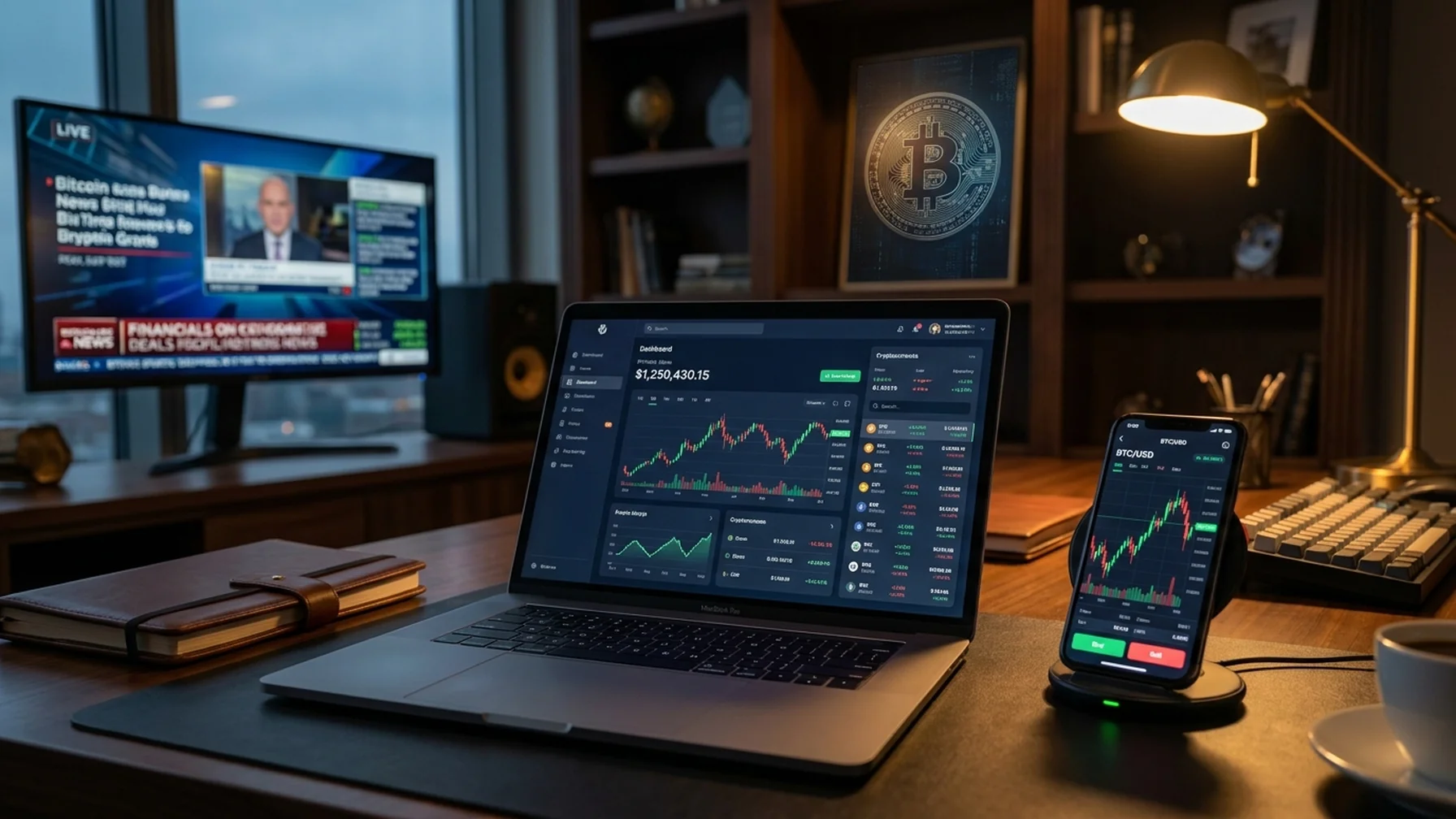
Cryptocurrency portfolio rebalancing is a vital strategy for investors aiming to optimize their digital asset holdings. With the swift shifts in the crypto market, maintaining a balanced portfolio requires careful consideration of various elements such as crypto allocation, staking, and risk management. This guide will explore how to build a crypto portfolio, implement Dollar-Cost Averaging (DCA) in crypto investments, and the benefits of rebalancing to enhance returns. By understanding these key strategies, investors can better navigate the volatile crypto landscape and work towards achieving their financial goals.
Building a Balanced Crypto Portfolio
Constructing a well-diversified crypto portfolio involves understanding various asset categories. Blue-chip cryptos like Bitcoin (BTC) and Ethereum (ETH) should form the core of your holdings due to their established market presence. Incorporating large-cap altcoins, mid-cap altcoins, and small-cap altcoins can provide growth opportunities and diversification.
- Blue-chip Cryptos: Bitcoin (BTC), Ethereum (ETH)
- Large-cap Altcoins: Established projects with significant market caps
- Mid-cap Altcoins: Potential for growth but with more risk
- Small-cap Altcoins: High-risk, high-reward investments
- Stablecoins: Provide stability and liquidity
Consider a scenario where an investor allocates 50% to BTC, 25% to ETH, and the remaining 25% across various altcoins and stablecoins, creating a robust and balanced portfolio.
Crypto Allocation Strategies
Determining your crypto allocation is crucial for managing risk and potential returns. A typical strategy might include a significant BTC allocation, considering Bitcoin's pivotal role in the market. An ETH allocation strategy might focus on Ethereum's smart contract capabilities and its growth in decentralized finance (DeFi) applications. Balancing these with altcoins and stablecoins can help manage volatility.
For instance, an investor might choose to allocate 40% to BTC, 30% to ETH, and 30% to a mix of altcoins and stablecoins, adjusting the percentages based on market conditions and personal risk tolerance.
Effective Rebalancing Techniques
Rebalancing involves adjusting the proportions of assets in your portfolio to maintain your desired risk level. This process helps capitalize on market movements and can enhance overall returns. Here's a structured approach to rebalancing:
- Set a target allocation for each asset class.
- Review your portfolio periodically to check for deviations from your target.
- Adjust your holdings by buying or selling assets to return to your desired allocation.
Regular rebalancing prevents overexposure to any single asset and helps manage drawdown risks, making it a valuable tool for long-term investors. Consider a scenario where Bitcoin's price surges, leading to an over-allocation in your portfolio. Rebalancing by selling some BTC and buying other assets like ETH or altcoins can restore balance and reduce risk.
Comparison of Rebalancing Tools
A variety of tools can help with cryptocurrency portfolio rebalancing. Below is a comparison of some popular options:
Comparison of Cryptocurrency Rebalancing Tools
| Tool | Features | Cost | Best For |
|---|---|---|---|
| Shrimpy | Automated rebalancing, portfolio tracking | $13/month | Beginners |
| 3Commas | Smart trading bots, DCA bots | $24/month | Advanced traders |
| CoinTracker | Tax reporting, real-time tracking | Free basic, premium paid | Investors focusing on taxes |
| Altrady | Multi-exchange trading, portfolio analytics | $12/month | Users with multiple exchanges |
| Quadency | Automated trading, portfolio management | $39/month | Those needing all-in-one management |
Selecting the right tool depends on your individual needs and trading habits. For example, beginners might like Shrimpy for its ease of use, while advanced traders could find the features of 3Commas more beneficial. Consider each tool’s features and costs to choose the best fit for your rebalancing approach.
Utilizing DCA in Crypto Investments
DCA, or Dollar-Cost Averaging, is a strategy where you invest a fixed amount in crypto at regular intervals. This approach reduces the impact of market volatility on your investments. By consistently purchasing assets, you avoid the pitfalls of trying to time the market, which can be particularly unpredictable in the crypto world.
For example, an investor might invest $500 monthly in Bitcoin, regardless of its current price, averaging out the cost and reducing the impact of price fluctuations over time.
Tracking and Managing Your Crypto Portfolio
Effective portfolio management requires robust tools for tracking and analysis. Several platforms offer features like real-time tracking, tax loss harvesting, and performance analytics. Crypto IRA accounts and custody options provide secure ways to invest in digital assets while optimizing tax efficiency. Additionally, staking can generate passive income, enhancing overall portfolio returns.
For instance, using a platform like CoinTracker, investors can monitor their holdings, assess performance, and make informed decisions about rebalancing or reallocating assets.
Risk Management and Alternative Investments
Incorporating risk management strategies is essential for protecting your portfolio. The Sharpe ratio helps assess risk-adjusted returns, while strategies like drawdown management and risk parity crypto can mitigate potential losses. Consider diversifying with alternative assets like gold, REITs, commodity ETFs, and bond ladders to further reduce risk.
For example, an investor might allocate a portion of their portfolio to gold, known for its stability, to hedge against crypto volatility.
Common Mistakes in Cryptocurrency Portfolio Rebalancing
Investors often make mistakes when rebalancing their crypto portfolios. One common error is neglecting to rebalance regularly, leading to unintended risk exposure. For example, during a crypto bull run, an investor might find their portfolio heavily skewed towards Bitcoin, increasing risk if the market reverses. Another mistake is failing to consider transaction fees, which can significantly impact returns.
To avoid these pitfalls, set a regular rebalancing schedule and use tools that minimize transaction costs, ensuring your portfolio remains aligned with your financial goals.
In summary, cryptocurrency portfolio rebalancing is a dynamic process that requires regular attention and strategic adjustments. By focusing on crypto allocation, DCA, and risk management, investors can build a resilient portfolio that withstands market fluctuations while capitalizing on growth opportunities.