
Mastering Crypto Portfolio Tracking: Strategies and Options
Table of Contents
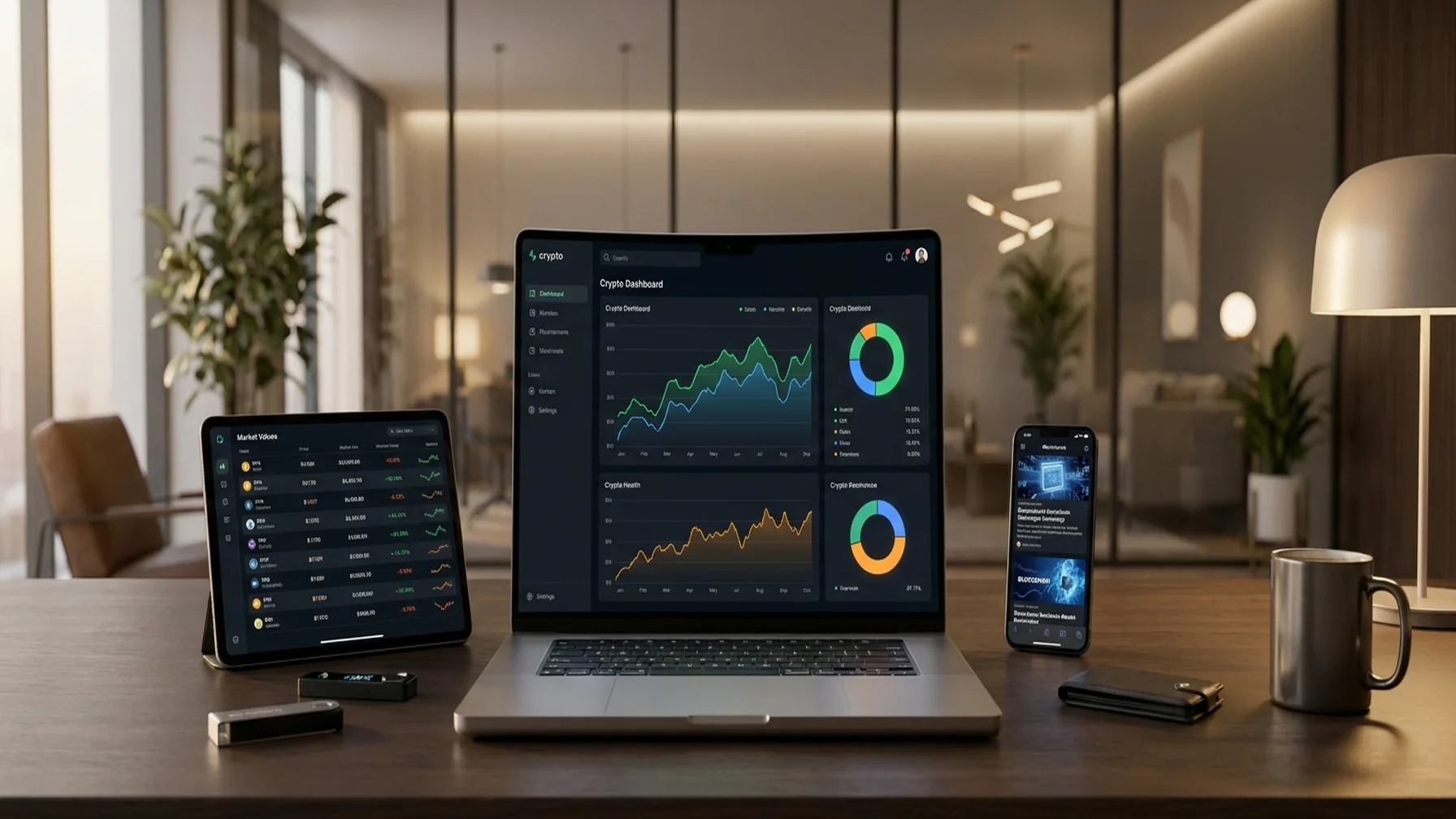
Crypto portfolio tracking is essential for anyone serious about digital asset investing. With cryptocurrencies' rise, managing a diversified portfolio has become a priority for many investors. Whether you are building a crypto portfolio, engaging in dollar-cost averaging (DCA), or interested in portfolio rebalancing, understanding the tools and strategies available can greatly enhance your investment outcomes. Keeping track of your investments ensures that you can respond to market changes promptly, optimize your holdings, and ultimately maximize your returns. With the right strategies and tools, both beginners and seasoned investors can effectively navigate the volatile crypto market.
Building a Crypto Portfolio
When building a crypto portfolio, consider a mix of asset classes. Allocate funds to blue-chip cryptocurrencies like Bitcoin (BTC) and Ethereum (ETH) as foundational assets. Their established presence makes them less volatile compared to smaller altcoins. Additionally, consider large-cap, mid-cap, and small-cap altcoins to diversify risk and potential returns. For instance, integrating stablecoins can provide liquidity and act as a buffer against market downturns. A well-rounded portfolio might include a 50% allocation in BTC and ETH, 30% in promising altcoins like Cardano (ADA) or Polkadot (DOT), and 20% in stablecoins for flexibility.
Strategies for Crypto Allocation
Effective crypto allocation involves strategic planning. A BTC allocation strategy might revolve around maintaining a certain percentage of Bitcoin relative to your total portfolio. Similarly, an ETH allocation strategy could focus on capitalizing on Ethereum's growth potential. Consider crypto index funds or smart beta crypto options to achieve diversified exposure with less individual asset risk. For example, a balanced approach could involve a 60% allocation to blue-chip cryptos, 25% to altcoins, and 15% to crypto index funds. This mix can provide growth opportunities while minimizing risks associated with individual asset volatility.
Tracking Your Crypto Portfolio
Tracking your crypto portfolio ensures you stay informed about your holdings' performance. Use dedicated tools and apps that provide real-time data and analytics. These platforms help monitor your portfolio's value, track changes in holdings, and assess performance against benchmarks such as the Sharpe ratio and drawdown management metrics. Popular tools like Blockfolio or Delta can offer insights into your portfolio's daily performance, allowing you to make informed decisions quickly. For instance, an investor using these tools may identify a 5% drop in their portfolio value and decide to rebalance or invest in a different asset class.
Portfolio Rebalancing and Risk Management
Regular portfolio rebalancing is vital to maintaining your desired asset allocation. This process involves buying or selling assets to return your portfolio to its intended state. Employing risk parity crypto strategies can balance the risks across different assets, ensuring no single asset disproportionately affects your portfolio's volatility. For example, if Bitcoin's value grows significantly, it might occupy 70% of your portfolio, up from 50%. Rebalancing would involve selling some Bitcoin and buying other assets to restore balance. This not only keeps your risk in check but also allows you to take advantage of gains in other assets.
Crypto Custody Options
Choosing the right custody options is crucial for the security of your investments. Options range from hardware wallets to institutional-grade custody solutions. For businesses, corporate stablecoin treasury management can provide liquidity while mitigating risk. A hardware wallet like Ledger or Trezor ensures private keys remain offline, reducing the risk of cyber attacks. On the other hand, institutional custody services like Coinbase Custody offer insurance coverage and advanced security features, making them suitable for high-value portfolios.
Tax Loss Harvesting and Crypto IRA
Tax loss harvesting can optimize your tax liabilities by selling assets at a loss to offset gains. A crypto IRA offers tax-advantaged growth, enabling you to invest in digital assets for retirement. Explore these strategies to enhance your financial planning. For example, if an investor has experienced a 10% loss in a particular crypto asset, selling it can offset gains from other investments, reducing the overall taxable income. On the other hand, a crypto IRA allows tax-free growth, offering a long-term wealth-building strategy.
Staking for Passive Income
Staking allows investors to earn passive income by participating in the network validation process. This approach not only provides income but also supports the blockchain's security and functionality. Consider staking as a strategy to generate returns while holding onto your crypto assets. For instance, by staking Cardano (ADA), an investor can earn a 5% annual return, adding to their overall portfolio growth without active trading. Staking platforms like Binance or Kraken offer easy entry points for investors looking to earn passive income with minimal effort.
Alternative Assets and Diversification
Diversifying with alternative assets such as gold, real estate investment trusts (REITs), commodity ETFs, and bond ladders can stabilize your portfolio. Incorporating these can act as a hedge against crypto volatility, offering balance and reducing overall risk. For example, during a crypto market downturn, gold or bond investments often retain value, providing stability. By allocating 20% of a portfolio to these alternatives, investors can cushion against potential losses in the volatile crypto market.
Implementing a Crypto ETF and Index Investing Strategy
Crypto ETFs and index investing offer exposure to a broad range of digital assets with a single investment. This strategy simplifies portfolio management and can mirror the performance of major crypto indices, providing a straightforward path to diversification. For instance, investing in a crypto ETF like Grayscale Bitcoin Trust (GBTC) allows exposure to Bitcoin's growth without directly buying the cryptocurrency. This approach is particularly useful for traditional investors looking to enter the crypto space with minimal learning curve.
By understanding and utilizing these strategies and tools, you can effectively track and manage your crypto portfolio, ensuring a balanced and informed approach to digital asset investing. Each strategy and tool offers unique benefits, and the key is tailoring them to fit your personal investment goals and risk tolerance.
Comparison of Crypto Portfolio Tracking Tools
To help choose the right tools for tracking your crypto portfolio, consider the following comparison of popular options:
Comparison Table of Crypto Portfolio Tracking Tools
| Tool | Features | Pros | Cons |
|---|---|---|---|
| Blockfolio | Real-time price updates, portfolio tracking | User-friendly, supports multiple exchanges | Limited advanced features |
| Delta | Portfolio tracking, news aggregator | Comprehensive data, sleek interface | Subscription required for premium features |
| CoinStats | Portfolio tracking, DeFi integration | Wide range of asset support, DeFi features | Learning curve for new users |
| CryptoCompare | Portfolio tracking, detailed analytics | Advanced analytics, community insights | Clunky interface |
| CoinTracking | Tax reporting, portfolio management | Comprehensive tax reports, detailed analysis | Can be overwhelming for beginners |
Each tool has its strengths and weaknesses. For instance, Blockfolio’s user-friendly interface is ideal for beginners, while CoinTracking’s detailed tax reports cater to more advanced investors. Choosing the right tool depends on your specific needs, such as ease of use, depth of analysis, or tax reporting capabilities.
Common Mistakes in Crypto Portfolio Tracking
Even experienced investors can make mistakes in crypto portfolio tracking. Common issues include failing to rebalance regularly, ignoring tax implications, or using outdated tracking tools. For instance, an investor might forget to rebalance after a significant market shift, resulting in an unintended risk profile. Another mistake is not accounting for transaction fees, which can significantly impact overall returns. To avoid these pitfalls, regularly review your portfolio, stay updated with tax regulations, and choose tools that offer comprehensive reporting features.
By recognizing these common mistakes and implementing solutions, you can enhance your portfolio management skills and ensure a more successful investment journey.